Season of the Witch is a casual essay I wrote for my research, theory, and practice module. The article follows representations of women and witches in folk horror films, referencing books, films and academic articles. It was also the inception of my further research with PHASMA. Below I have linked the research journey and article.
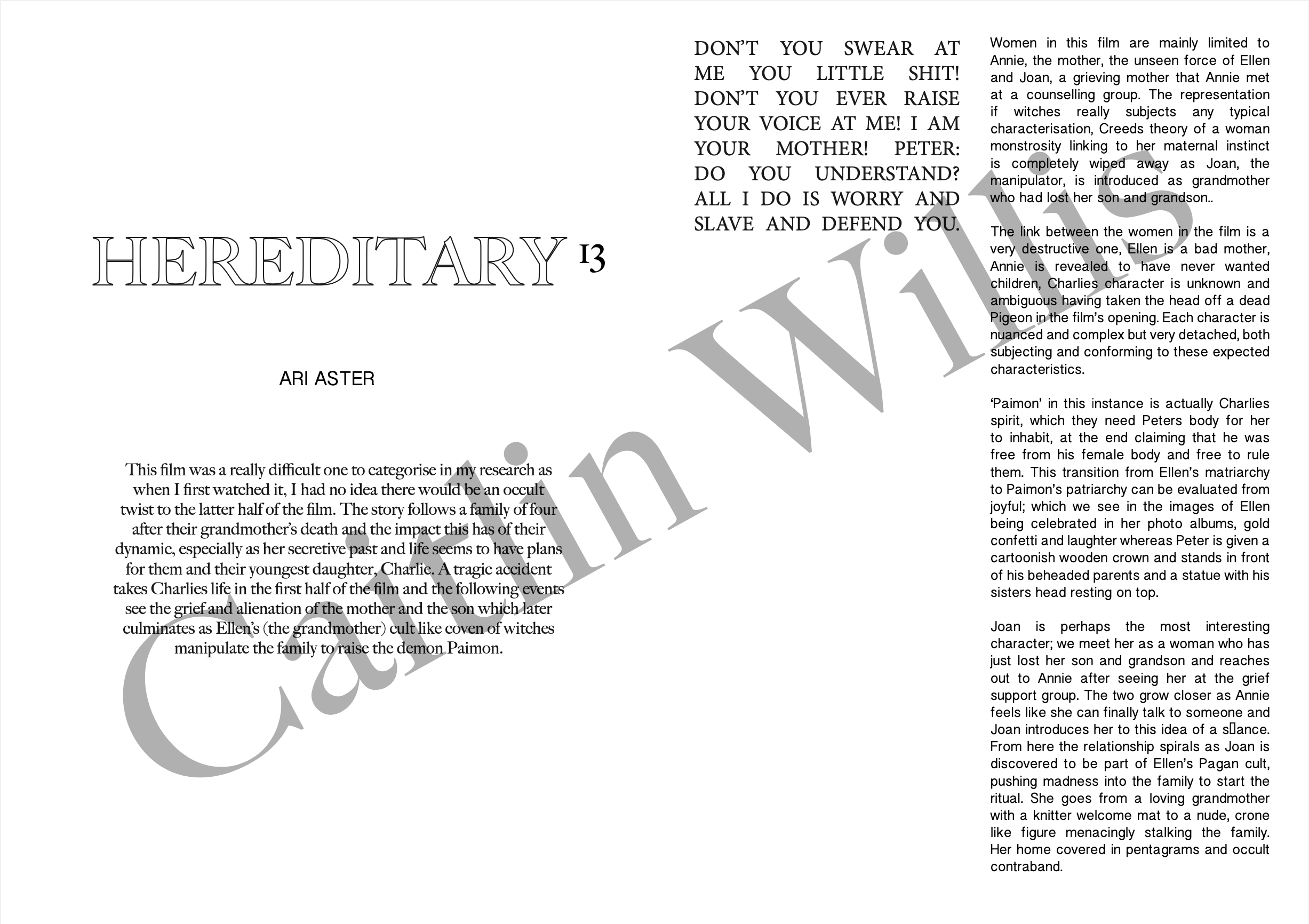
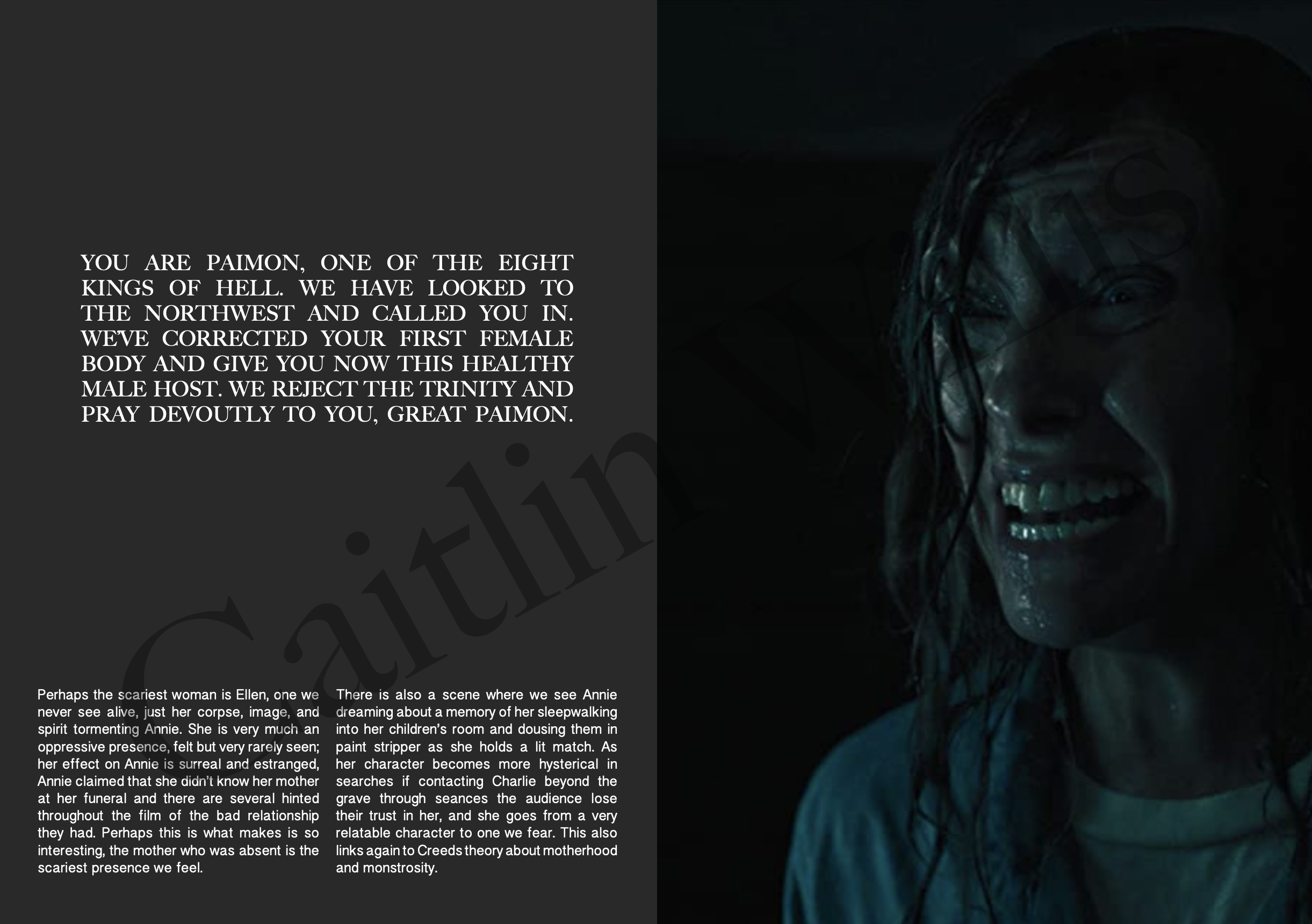
Season of The Witch
Exploring Representations of Women’s Relationships to Power and Family in Folk Horror
In the past five years, there has been a surge in folk horror films, Ari Aster dropping Midsommar in 2019 and Robert Eggers’ The Witch both gaining the elusive ‘certified fresh’ on the online aggregator Rotten Tomatoes. Horror itself has always aimed to shock, covering taboo topics and exposing forbidden themes, and folk horror is no exception to this. Introduced in the late 60s, the subgenre has fluctuated over time with counterculture and socio-political agendas. As a subgenre folk horror is perhaps the hardest to define, having common conventions that include ancient power and overwhelming isolation, the genre covers more of a feeling than categorisation.
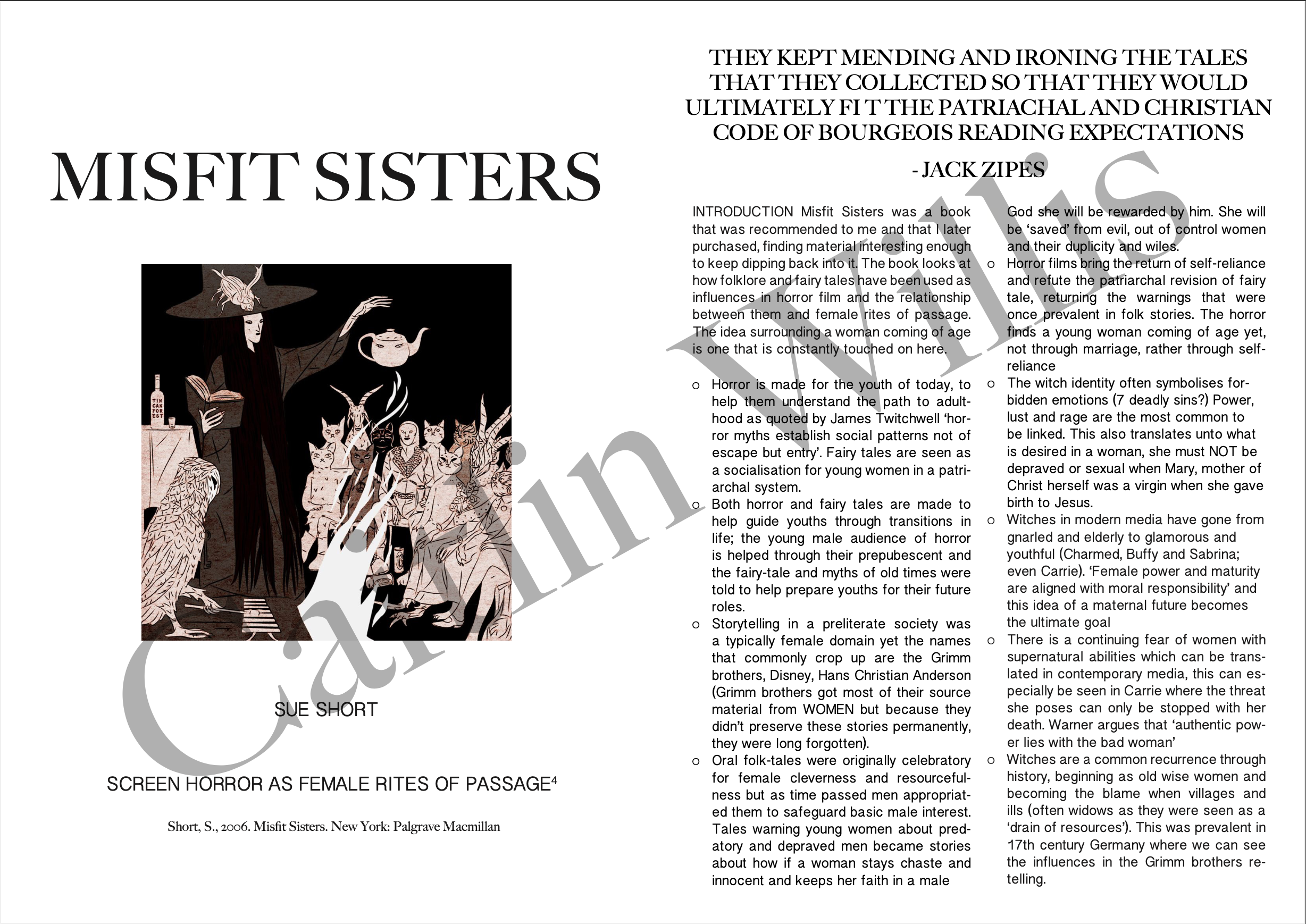
The relationship between women and power has always been enigmatic and unsure, but folk horror highlights this ambiguity that lies between the representation of the witch, and the representation of the woman. In the book Misfit Sisters, Sue Short quotes that 'female power and maturity are aligned with moral responsibility (Short 2006:40), and this idea of a maternal future becomes the ultimate goal, but this was an expectation built by patriarchy, and female power remains undefined in film and media texts.